

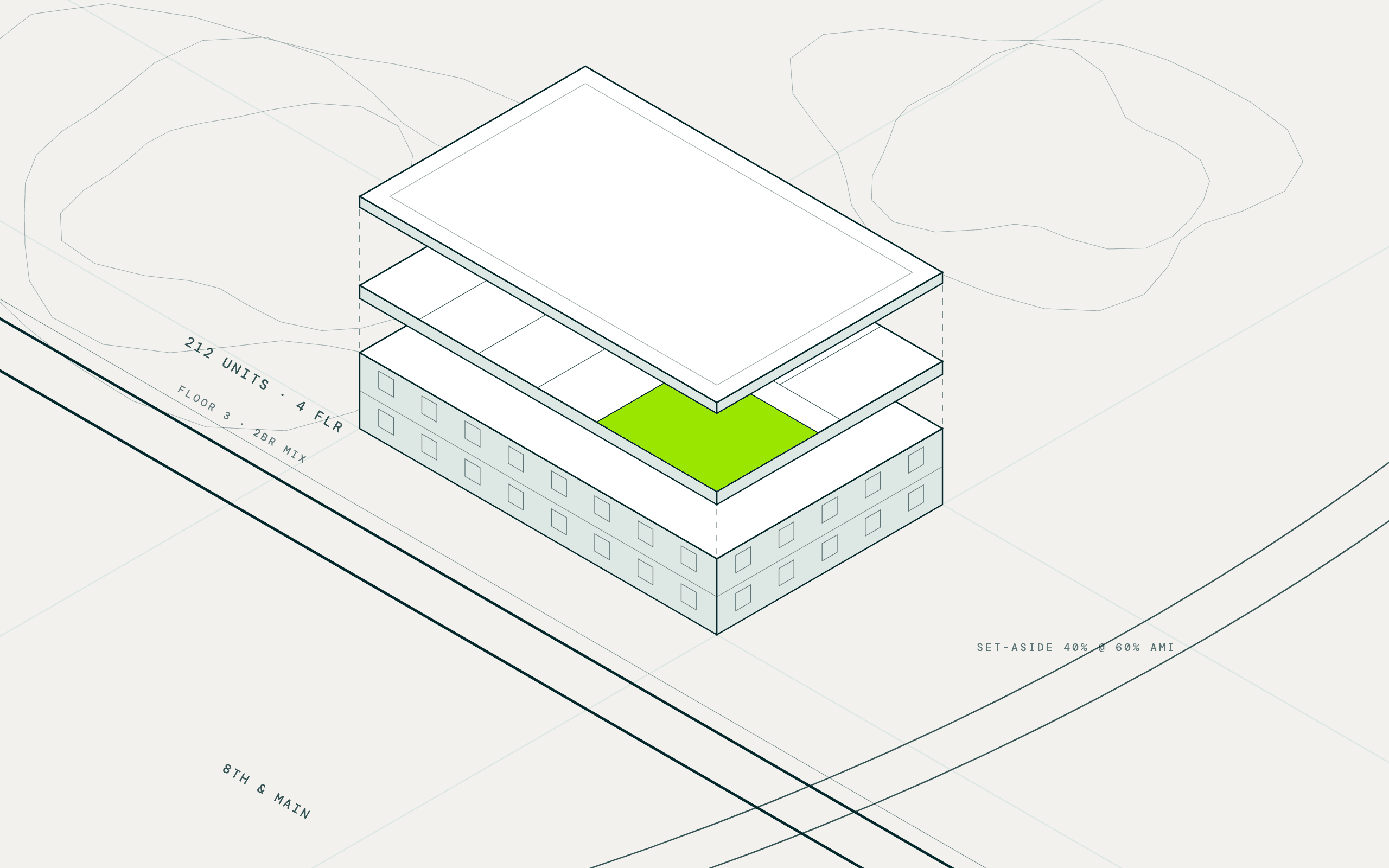
What they knew
An affordable housing acquisitions team wanted to identify church-owned land in Pinellas County for further research. The initial search used assessor religious-use codes to build an inventory, then investigated acreage, existing uses, institutional governance, and decision makers. This was prospect research, not a completed development or a customer deployment. The Florida Live Local church-land guide separates the parcel screen from statutory eligibility review.
What they asked
Find church-owned parcels in Pinellas County, show acreage and existing uses, research worship history and governance, and identify the institutional decision maker where sources support it.
What MAIA did
01Built the initial inventory. Assessor use codes identified 107 church sites. Parcel records supplied acreage and recorded owner names for further review.
02Investigated potentially available land. Building footprints and imagery provide a method for separating existing structures from open land. Parking, drainage, access, and other constraints still need review before any open area is treated as developable.
03Researched institutional authority. Public-source research investigated whether a congregation's decisions were local or subject to a wider organization. Contact research supplied leads for verification, without establishing approval authority or willingness to participate.
What came back
- 107 church sites in the initial inventory, identified from assessor use codes; this is not a count of eligible Live Local projects
- A research workflow for acreage and existing use, using parcel records, building footprints, and imagery to investigate potentially available land
- Governance and contact research, including a pastor contact found in a posted sermon; each institution still needs verification
What they did next
Any proposed project needs verification of ownership, property size, worship history, institutional participation, continuing worship, and the applicable approval path. The statutory religious-institution pathway described in the guide uses property more than three acres, not merely three acres or more. This example establishes an initial research inventory; it does not establish a verified eligible-site count, outreach campaign, or development outcome.